Activities
We follow the path to empowerment and independence for people with Down syndrome from childhood to adulthood, supporting families along the way.
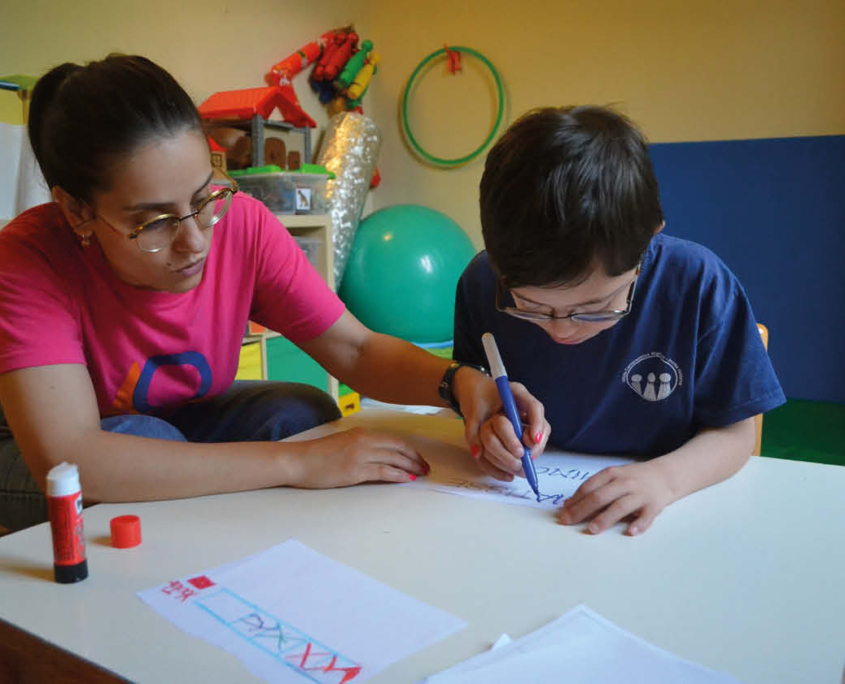


We follow the path to empowerment and independence for people with Down syndrome from childhood to adulthood, supporting families along the way.
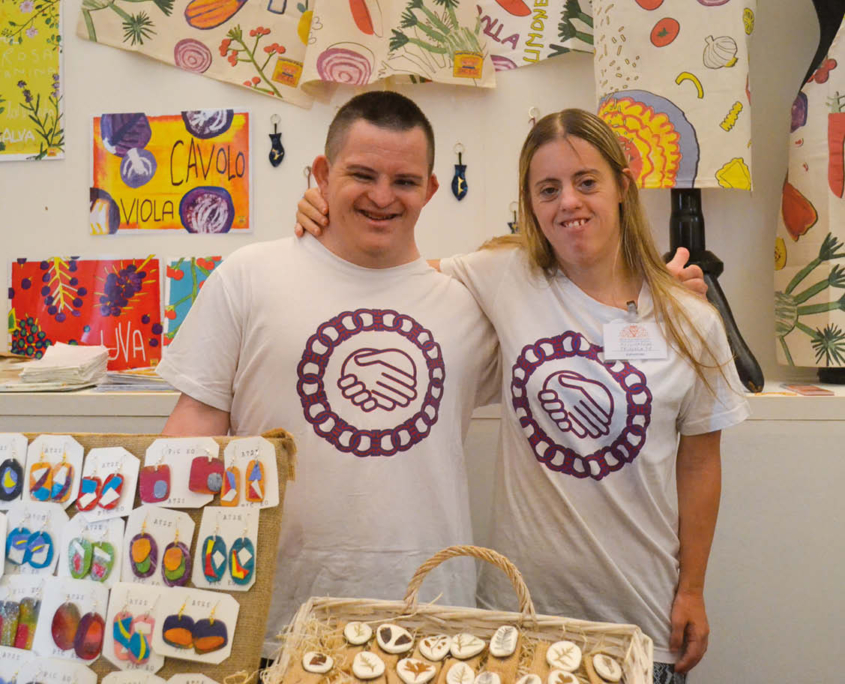
PIC EO (acronym for: Passion Involement Creativity Emotions Originality) is the artistic laboratory of the Association.
The laboratory was established in 2006 to offer to people with Down’s syndrome an opportunity to enhance their independence, of creativity and of work-related skills, through the development of artistic and craft activities.
Today there is a group of young adults aged between 20 and 35 years old, who are not in employment and who are not receiving support through welfare or social welfare programmes. The activities which they carry out aim to develop and enhance their their specific expressive and creative abilities and their
transversal skills , to promote also their professional development.
• Involve the individual in the entire creative process, from design to production, ensuring they remain actively engaged throughout.
• Learn new techniques.
• Develop the ability to incorporate the various decorative elements in a way that is harmonious and balanced.
• Take greater responsibility for completing a specific task assigned, adhering to deadlines and rules of a technical/operational nature.
• Encourage the ability to work together with colleagues.
• Encourage behaviour and attitudes that are appropriate to the fact that one is in a workshop/shop.
The activities of the PIC EO Laboratory are designed to adapt to needs and to individual preferences of participants. Each session involves various forms of art, such as painting, sculpture, music, illustration and more still.
We work together with experts in the field of the arts to provide guidance and inspiration, ensuring that every experience is stimulating and meaningful.
The infant massage programme of A.I.M.I. (Italian Association of Infant Massage) represents an experience of affectionate contact which strengthens significantly the bond between parents and children.
The massage is aimed at families with children aged age 0–12 months.
It is not a specific technique, but rather a way of communicating, which has positive impact on the development and growth of girls and of boys is widely supported by scientific research.
Infant massage is a tool that every parent can learn easily.
Through the massage, we help to support, protect and stimulate the growth and health of every child.
The course is divided into 5 sessions held weekly, each lasting for about an hour and a half, in small groups or one-to-one.
During the sessions, as well as learning the sequence of the massage, the parents discuss issues relating to the 0-12 months age group.
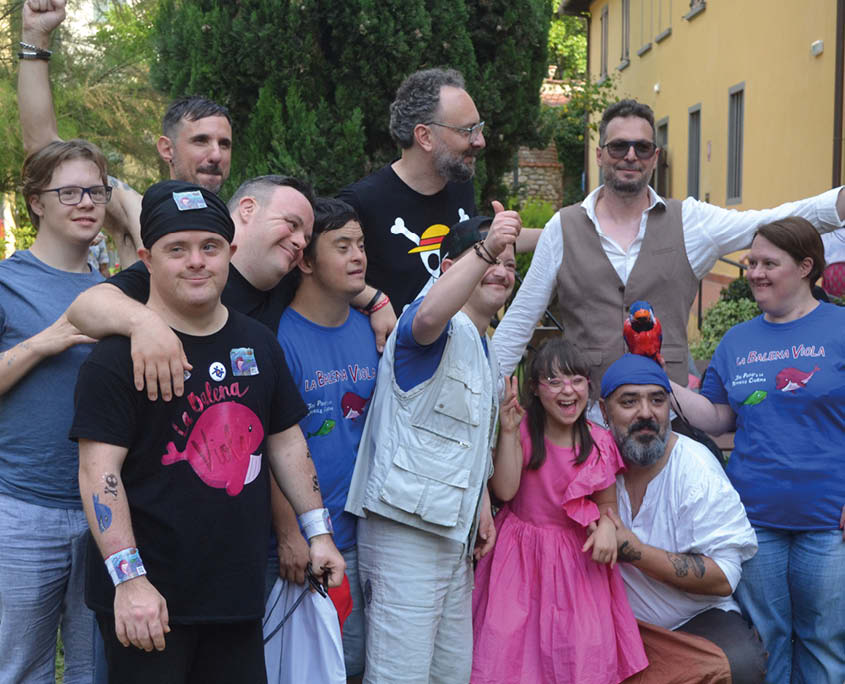
Throughout the year, we organise social gatherings for families, staff, volunteers, and supporters of the Association.
The main objective is to empower the families and the members involved and participating in the life of the association, promoting mutual understanding between the families and building a network of friendship and support for the benefit of everyone.
The main events aimed at families are three:
1 – Spring Festival: Usually held in early June, the “Festa di Primavera” was the first social event organised by Trisomia 21 aps; an opportunity to catch up before the summer holidays and enjoy a pleasant and fun day out. The event is aimed not only at families but also at staff, supporters and institutions. There are many activities on offer, including a stall selling handmade creations from our PIC EO art laboratory and a theatrical preview by the Teatrallegria group.
2 – National Day for people with Down’s syndrome: The National Day falls on the second Sunday in October. We usually organise activities to raise funds and raise awareness, aimed at raising awareness within the community on Trisomy 21. Here families can actively participate in the dissemination of the message promoting a more equitable and inclusive society.
3 – Open Day: The last event of the year, designed specifically to wish us all the best before the holidays. Just like the Spring Festival, the Open Day is designed to welcome families, volunteers, staff, supporters and institutions. The event is packed with activities and moments of socialising.
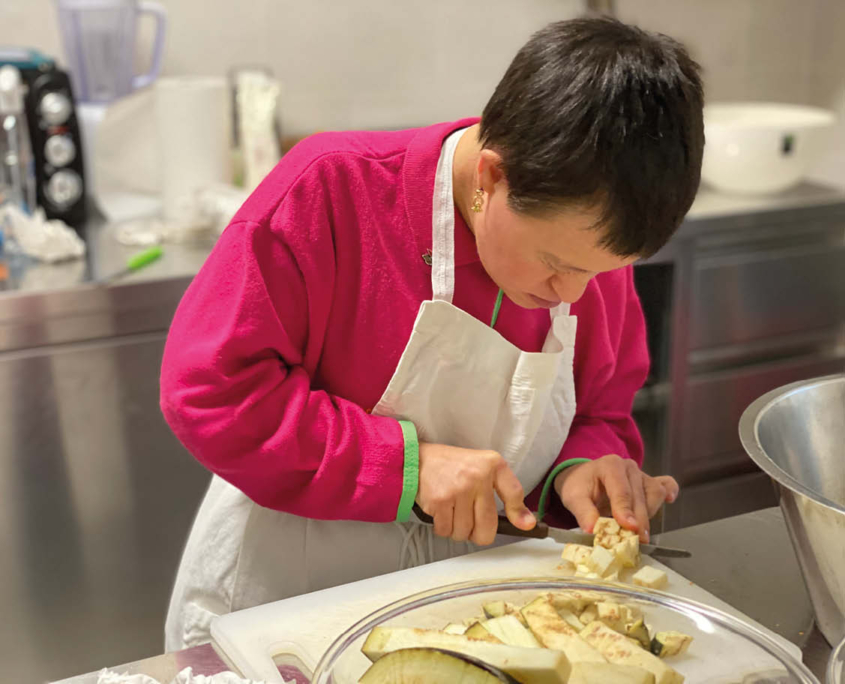
At the headquarters of the Association, we are committed to offering activities aimed at cognitive enhancement also to adults with Down’s syndrome, through an approach derived from interventions initially designed for children.
Our activities, whether in groups or individually, aim to enhance cognitive skills and to promote the prevention of senile dementia.
We have set up a professional kitchen fully equipped, recognised as a psycho-social healthcare service by the Tuscany Region.
Our goals include:
Rehabilitation workshop: Aimed at those with greater difficulties, whether in terms of skills or in terms of emotional emotional and psychological distress. The manipulation of food and the management of a home environment in daily life act as a therapeutic lever, contributing to the improvement of psychological well-being and to reduction in the use of medicines such as anxiolytics or sleeping pills.
Social Rehabilitation workshop: Aimed at achieving the maximum independence possible.
Workshop for employment support: Focused on developing the skills needed for employment, integrated into individual occupational therapy programmes.
Workshop on rehabilitation for the prevention of senile dementia: This workshop, is designed for people over 35 years of age, represents a crucial preventive measure against premature ageing.
The activity takes place in a group setting, supported by two educators, once a week.
During the time set aside for the activity, the group prepares a full lunch: a starter, a main course and a dessert, paying particular attention to everyone’s dietary requirements.
The menu, agreed upon with the staff, is then served to the staff at the end of the day.
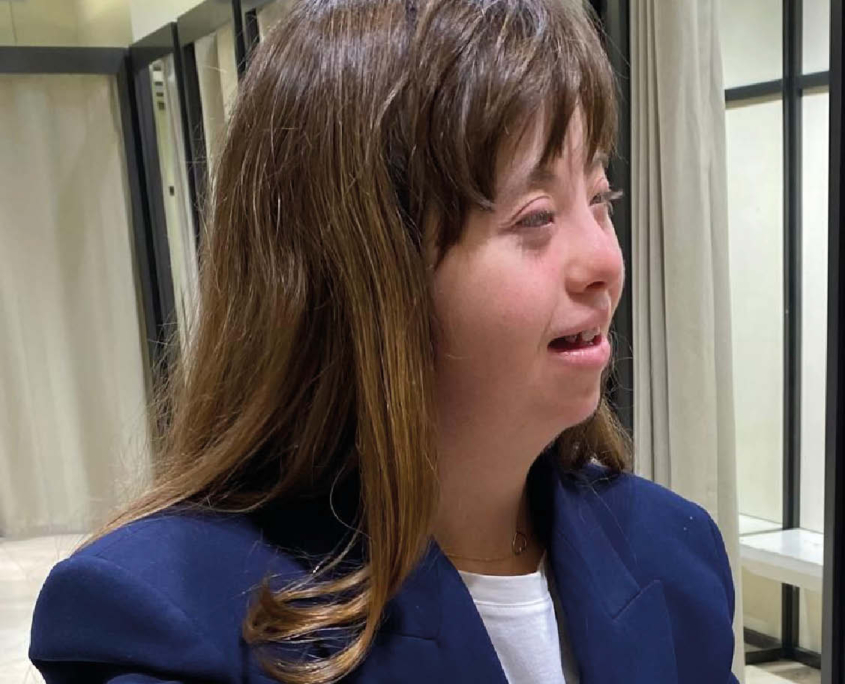
The project is aimed at the girls and the boys in secondary schools of the second stage who, during their schooling, begin to undertake experiences as part of PCTO (Pathway on Transversal Skills and Guidance).
The Association works in partnership with the School and the Social Workers throughout the entire process.
Specifically there are three main goals:
The programme includes a variable number of meetings with the staff of the Work Group (psychologist and educator) based on the information already held by the Association and is divided into various stages:
1. The first stage involves a discussion on these topics:
2. The second stage involves the assessment of specific skills and transversal skills, as well as the professional competencies acquired.
3. The third stage involves a presentation to the young man or to the young woman of the various professional profiles, which emerge from the review of the meetings held together, and finally the drafting of the curriculum vitae.
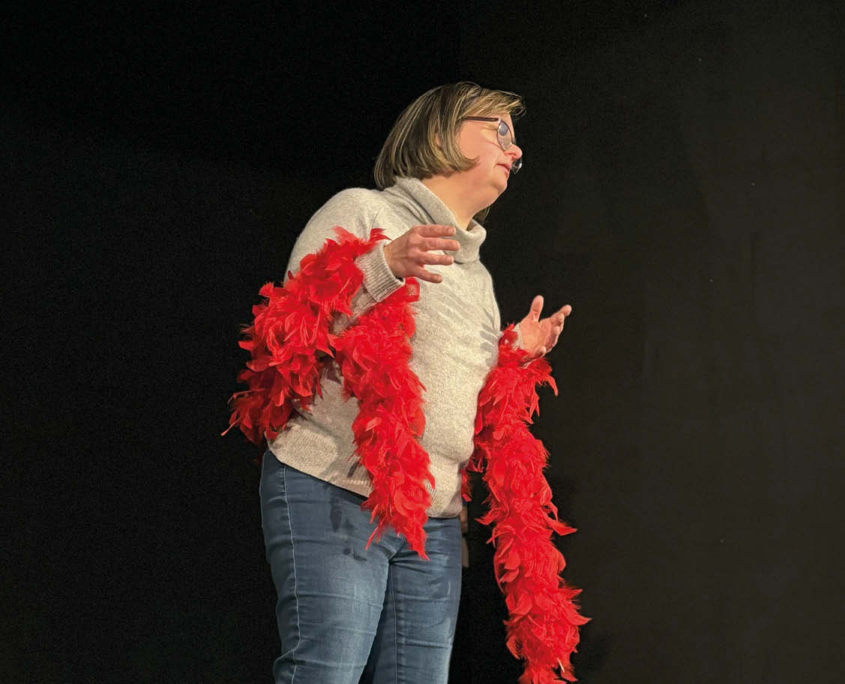
The theatre is a powerful platform for expression and inclusion, offering a common ground on which people can express their own individuality and celebrate the successes achieved as protagonists of the performances.
Our current project, launched around 10 years ago, involves 15 people with Down’s syndrome, offering a meaningful experience of growth and collective expression.
The primary aim is to create a space in which boys and girls with Down’s syndrome can share moments together, express themselves and find fulfilment in the leading roles in theatrical performances.
Through the performing arts, we promote self-esteem and awareness of one’s own abilities.
Since 2017, our theatre project has embarked on a new direction under the guidance of Massimo Bonechi, a highly experienced professional director.
This collaboration has further enriched the workshop, providing an artistic and professional approach that has helped to develop the participants’ theatrical skills.
The director has opened up new horizons, making the performances not only a moment of personal expression but also an opportunity for artistic and personal growth.
The group of actors, as well as being performers, actively contribute to every stage of the production.
Our commitment takes the form of a project for life dedicated to people with Down syndrome, accompanying them through every stage of their lives, from initial diagnosis to adulthood.
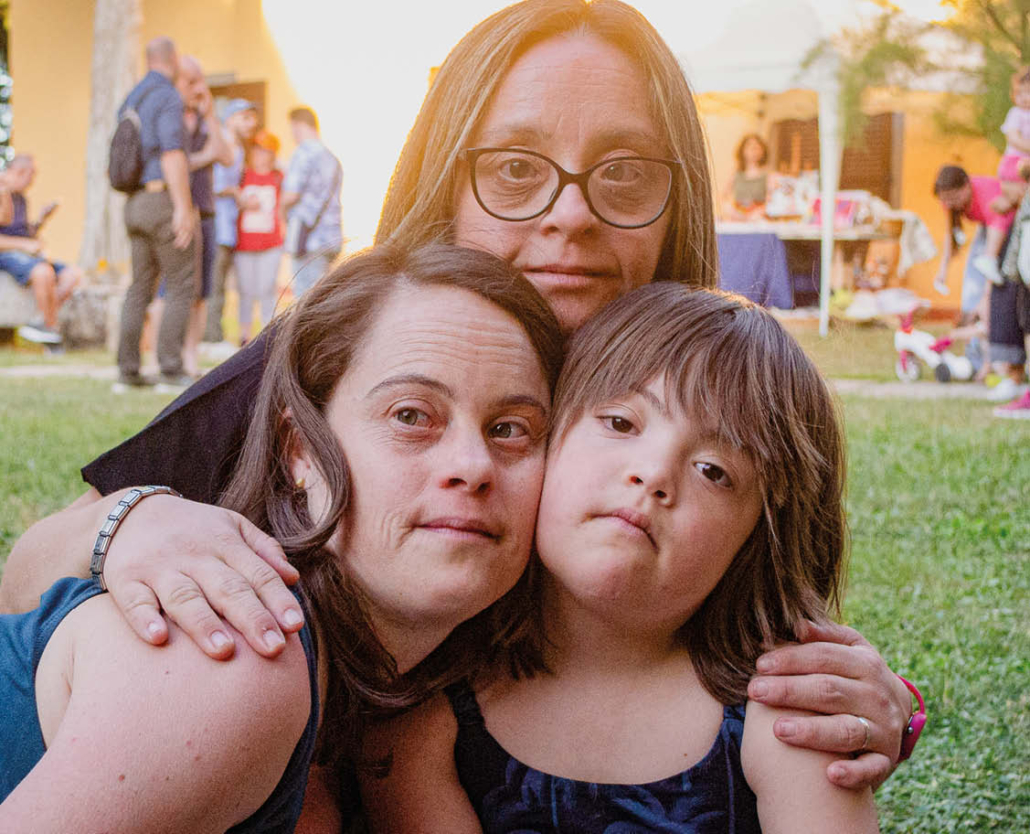
We provide ongoing, personalised support, developed in close collaboration with families and local institutions.
We offer families informational and practical support, guiding them through the critical early stages. We support children in their integration into school, ensuring an inclusive and tailored education adapted to their specific needs.
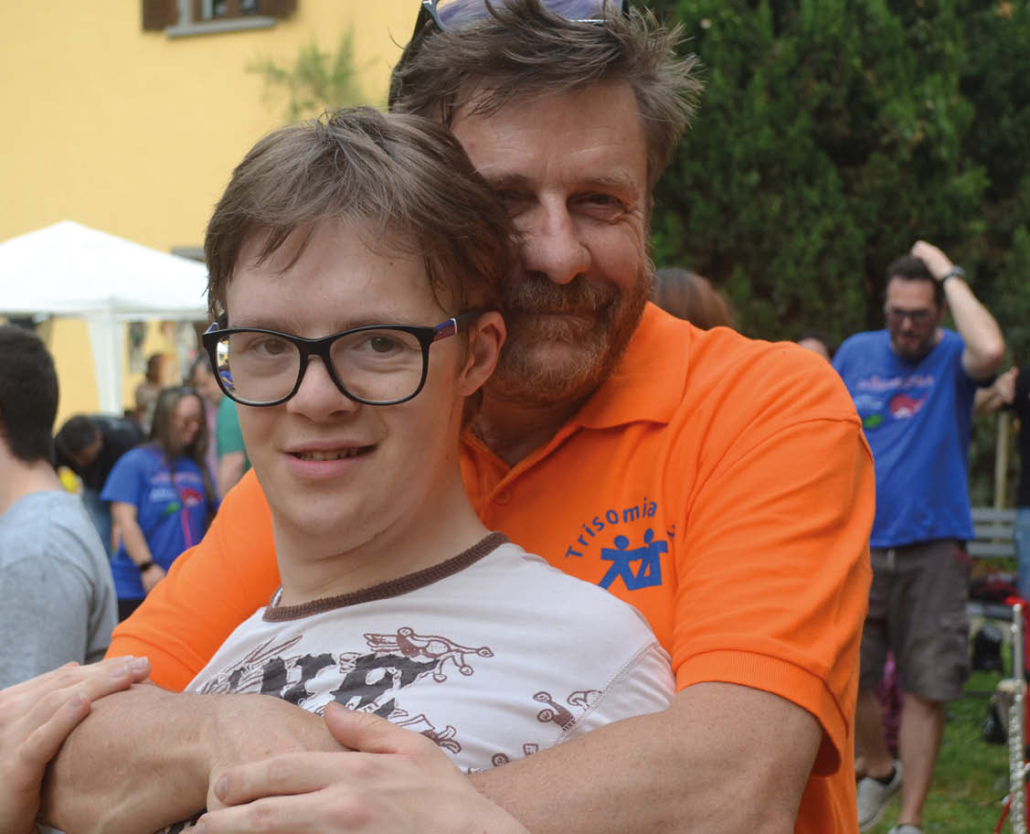
During adolescence, we focus on developing personal and social autonomy, preparing young people for an independent and fulfilling adult life.
The project for life we offer is highly personalised, recognising each person’s unique abilities and potential.
We work with specialists and healthcare providers to offer targeted support that promotes physical and mental wellbeing, thereby improving the quality of life for people with Down’s syndrome.
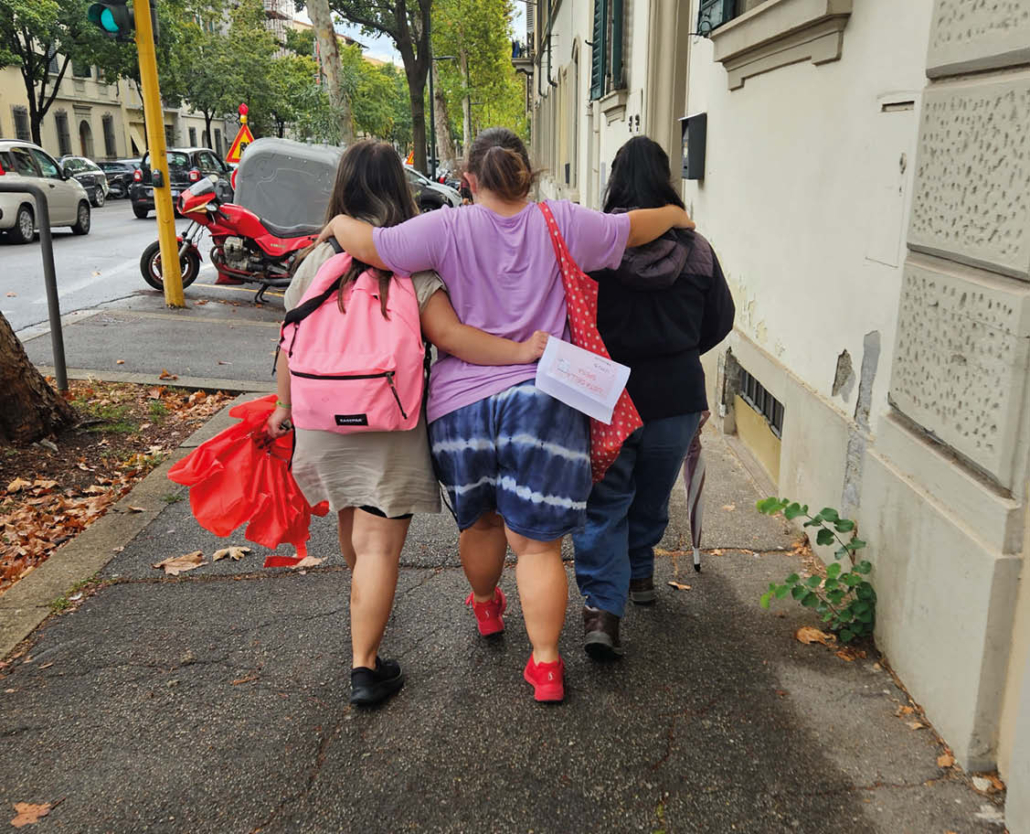
In Florence, we have created a support network that includes families, schools and professionals in the sector, organising events and activities that promote social inclusion and offer opportunities for continuous growth.
The core of our work is to build a life path that allows every person with Down syndrome to live fully and realise their potential. We are passionately committed to promoting an inclusive and high-quality life for all, valuing individual abilities and creating a supportive and nurturing environment.
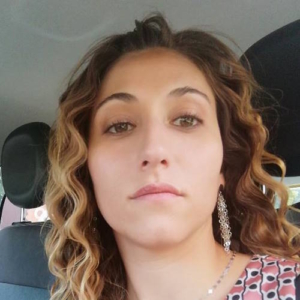
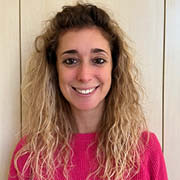
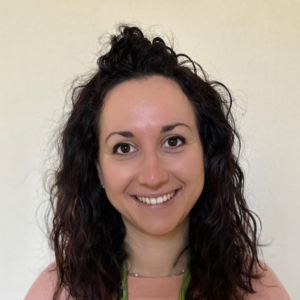
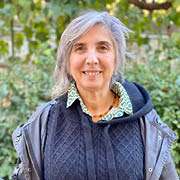
Our staff consists of professionals in the fields of psychology, speech therapy, neuropsychomotor therapy and behavioural education.
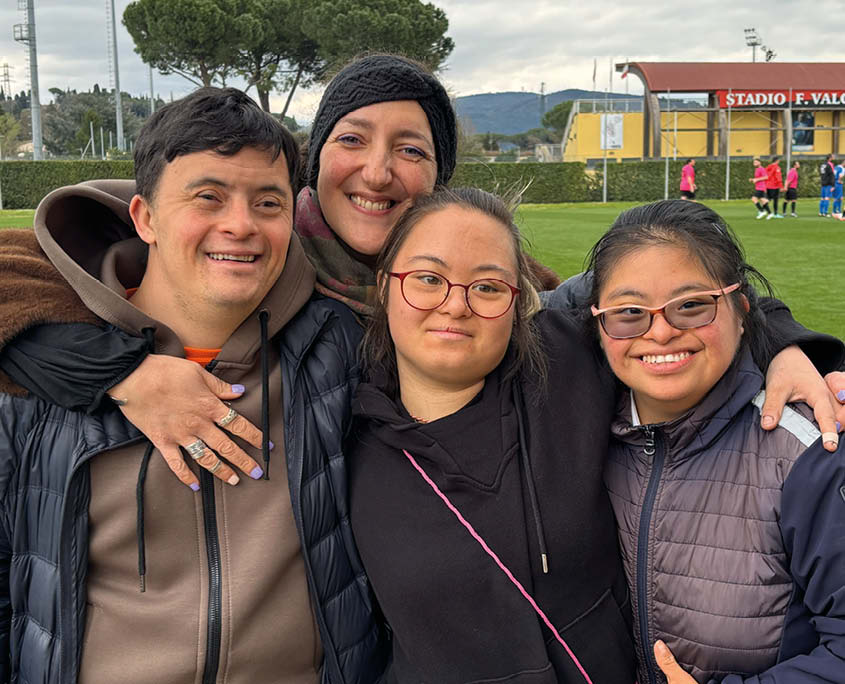


In accordance with the provisions set out in “Guidelines for reporting on the contribution of cinque per mille allocated to bodies in the third sector”, provision is made for the publication of the account and of the explanatory report on the contribution of 5 per mille.
2023
Financial Year: 2023
Amount received: €29.172,64
Date of receipt: 27-12-2024
Rendiconto contributo 5×1000 2023 RND1243145983550329300.pdf
2022
Fiscal Year: 2022
Amount received: €27.760,73
Date of receipt: 12-12-2023
Rendiconto contributo 5×1000 2022 RND1462122746996706300 (PDF)
2021
Fiscal Year: 2021
Amount received: €24.627,81
Date of receipt: 16-12-2022
Rendiconto contributo 5×1000 2021 RND501117150613454720 (PDF)
2020
Fiscal Year: 2020
Amount received: €28.907,65
Date of receipt: 29-10-2021
Rendiconto contributo 5×1000 2020 (PDF)
02-Assoc-Trisomia-21-aps-94020840487-RELAZIONE-ILLUSTRATIVA-5-per-mille-2020-FIRMATA (PDF)
In accordance with Article 1(125) of Law 124/2017, we hereby publish the list of public grants received during the year, broken down by calendar year.
2024
We hereby notify, pursuant to Law 124/2017, Article 1, paragraph 125, the list of public grants received in the year 2024.
The total amount of grants was €90,918.64
2023
In accordance with Article 1, paragraph 125 of Law 124/2017, we hereby publish the list of public grants received in 2023.
The total amount of grants received was €13,463.72
2022
In accordance with Article 1, paragraph 125 of Law 124/2017, we hereby publish the list of public grants received in 2022.
The total amount of grants received was € 41.101,00
2021
In accordance with Article 1, paragraph 125 of Law 124/2017, we hereby publish the list of public grants received in 2021.
The total amount of grants received was € 57.104,75
2020
In accordance with Article 1, paragraph 125 of Law 124/2017, we hereby publish the list of public grants received in 2020.
The total amount of grants received was € 28.320,00
2019
In accordance with Article 1, paragraph 125 of Law 124/2017, we hereby publish the list of public grants received in 2019.
The total amount of grants received was € 74.548,00
2018
In accordance with Article 1, paragraph 125 of Law 124/2017, we hereby publish the list of public grants received in 2018.
The total amount of grants received was € 73.048,00
In order to ensure the transparency required by Article 14(2) of the Third Sector Code, we hereby disclose the remuneration paid each year to directors, members of the supervisory bodies, senior managers and members:
2024
To ensure the transparency required by Article 14(2) of the Code of the Third sector. it is hereby announced that during course of 2024 the following remuneration was paid:
Social activities