Autonomy

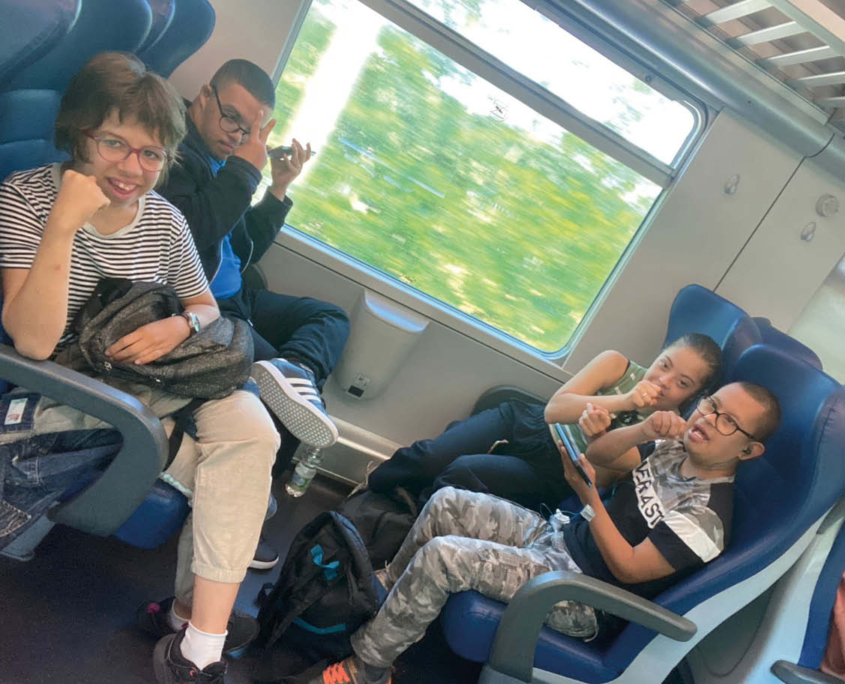
Four young people – two girls and two boys – on a train, as part of an outing organised as part of the independence and pre-independence programme.

Who helps you

Psychologist

Professional educator

Educator

Description

The Autonomy programme spans four years and consists of a series of initiatives that address three key areas of life:

  • An awareness of oneself, one’s own history, one’s desires and future plans, together with the recognition and acceptance of the emotions and feelings that characterise each person as a unique individual, distinct from everyone else;
  • The ability to interact effectively and build fulfilling relationships with others in a variety of settings, such as the family, peer groups, school and the workplace;
  • The development of individual potential; the acquisition and consolidation of skills and competences that encourage a person’s participation in the social life of the community in which they live, enabling them – through the identification of educational and vocational training pathways – to take on an active role and realise their full potential.

The project is divided into several areas on which work is carried out in parallel, offering activities that involve various sectors. The areas of focus are as follows:

  • personal care;
  • interaction/relationships with others;
  • spatial orientation;
  • temporal orientation;
  • road safety;
  • understanding, counting and using money;
  • understanding and using shops and services;
  • use of mobile phones and multimedia devices;
  • emotional and affective life.

Goals

“Autonomy does not mean doing everything on one’s own, but rather integrating one’s own knowledge with that of others, acquiring new skills, whilst also having the ability to ask for help and being aware of one’s own limitations and resources.”

(Vicari S., 2007).

There are no better words to describe the ultimate goal of autonomy.

How we work

The activity takes place mainly in real-life situations (shops, public transport, services, etc.); the experiences are then reviewed back at the centre, so as to develop procedures that can be applied in various everyday settings.

The role of the care worker changes over the course of the four years:

In the early years, they play a more active role (making suggestions, mediating, acting as role models, etc.) with a view to encouraging greater and more spontaneous involvement on the part of the young people in proposals, decisions and interpersonal interaction, in line with the peer education model (Damon W., 1984; 5:331–343 and Pellai A., Rinaldin V., Tamburini B., 2002).

Family involvement is essential, and it is necessary to work on aligning expectations regarding the intended objectives, the impact of the life plan on everyday life, and any changes or suggestions that need to be introduced to ensure this can be achieved.

In particular, we request that:

  • recognise that your child is growing up, and move away from infantilising and overprotective behaviour;
  • show confidence in the skills they have acquired and are still developing;
  • offer real opportunities to experience new and increasingly complex situations;
  • give them the chance to make their own choices;
  • entrust them with tasks and responsibilities appropriate to their growing level of maturity.

Education on emotions and sexuality

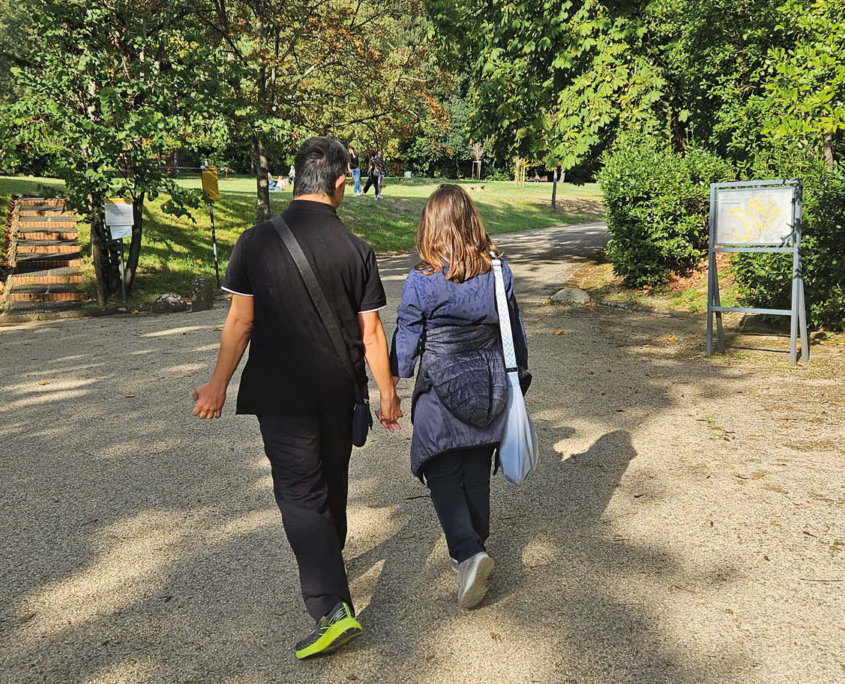
Two young people, seen from behind – a man and a woman – are holding hands as they stroll through the park.

Who helps you

Psychologist

Professional educator

Description

We have been working in the field of sexuality education since 2005.

We have set up a working group with a number of young people with Down’s syndrome, in the belief that meeting emotional and relational needs is fundamental to a person’s well-being.

During adolescence, young people are faced with the physical changes of puberty, so it is important to support them through this transition – whether in terms of personal care and independence in daily life, learning about gender roles, emotional and sexual relationships, or masturbation.

These aspects are addressed in an educational programme aimed at young adults, structured according to the model developed by Prof. Veglia (Veglia F., 2005)

Goals

The aim of the project is to ensure an inclusive approach that respects individual needs.

The project’s objectives relate to:

  • the acquisition of specific knowledge on issues relating to emotional life and sexuality;
  • the development of an adult identity;
  • the development of greater awareness of one’s own emotional, relational and sexual life.

How we work

The emotional and sexual education programme comprises small-group sessions aimed at young adults who, through a variety of methods, can develop greater self-awareness, integrating emotional, relational and sexual aspects into an adult identity.

In addition to this, upon request or where deemed necessary, an individual or couples’ programme is offered to enrich one’s life plan and enhance personal wellbeing.

Work placements and mentoring schemes

Who helps you

Psychologist

Professional educator

Educator

Description

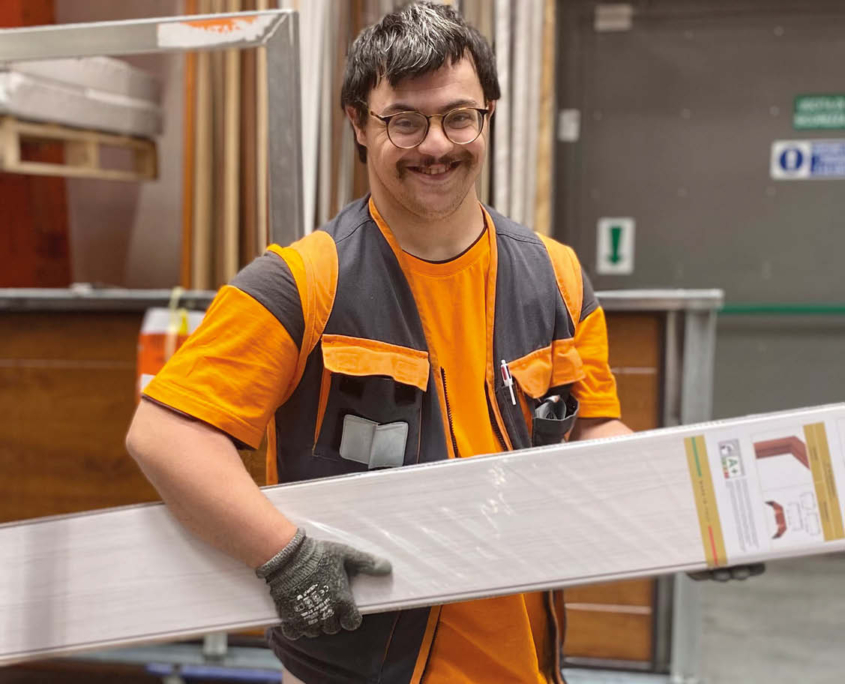
Employment is one of the key objectives of the life plan.

As part of this process, the Association’s support worker works alongside the young person directly within the workplace until they achieve complete independence, both in carrying out their duties and in terms of their interpersonal skills in the workplace.

Inclusion in the workplace forms part of a broader process of cultural change aimed at transforming the image of people with intellectual disabilities as individuals who can actively participate in the life of their community, rather than being seen as requiring assistance or care.

For this reason, the Association is committed to campaigns promoting a positive professional image of people with Down’s syndrome.

Goals

The aim is to enable people to become independent and competent within the organisation, whilst respecting both their needs, interests and abilities, and the requirements and needs of the organisations where they are placed.

How we work

The initial aim is to identify the professional profile that meets companies’ requirements, before moving on to the actual job placement process.

The intervention model is organised as a structured process designed to support both companies and candidates.
Support for companies is divided into the following stages:

  • providing information and raising awareness about the potential of people with Down’s syndrome;
  • providing information on the relevant legislation;
  • a site visit to the workplace;
  • training for staff on the correct procedures for integration;
  • appointment of a workplace mentor;
  • drawing up a job description.

Support for candidates includes:

  • drafting of the CV;
  • support and assistance with meetings with public bodies (AS, Targeted Job Placement);
  • attendance by a support worker at the medical-legal assessment for the final report – Law 68/99;
  • presentation of the candidate’s professional profile to the employer;
  • mentoring and any interviews;
  • support in travelling independently to the workplace;
  • regular reviews of the induction process with the company mentor and the candidate.

Educational Support

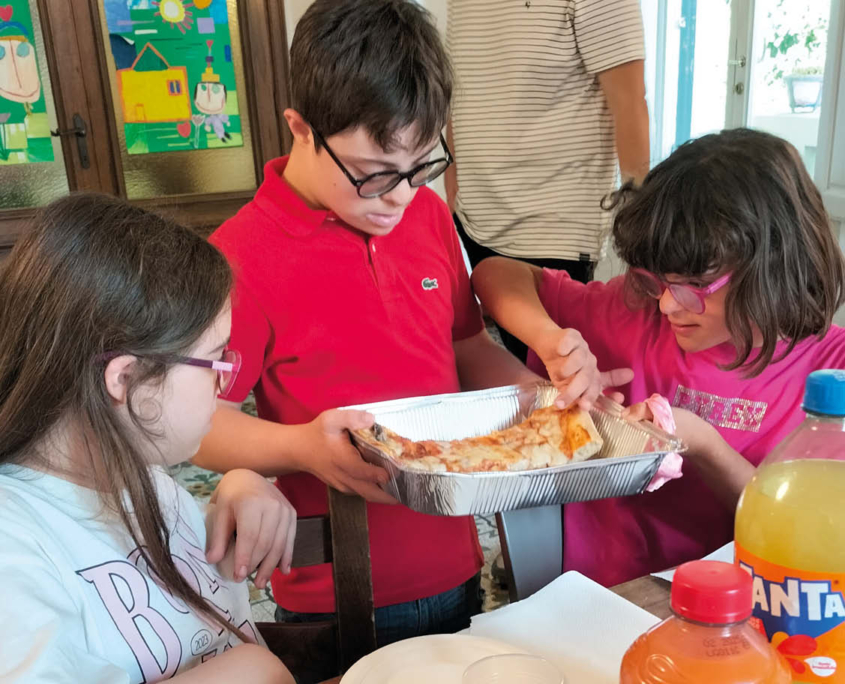
Three people – two young women and a young man – are sharing a pizza during the association’s event.

Who helps you

Professional educator

Educator

Description

Educational Support is a resource designed to be utilised for people with Down’s syndrome or other genetic syndromes, whether in childhood, adolescence or adulthood, to provide support in key areas and to enable them to achieve the greatest possible independence.

The aim is to enhance adaptive skills and to foster the ability and opportunity to make choices, thereby facilitating meaningful social inclusion and promoting the development of specific skills, such as:

  • promoting play skills and reciprocity
  • following rules
  • asking for help
  • using strategies appropriate to the situation
  • self-regulation
  • personal autonomy.

Goals

The main aim is to enable every individual to live independently in their own environment, to ensure they are able to make informed choices and decisions, to allow them to express their own tastes and preferences, to enable them to engage in meaningful relationships, and to learn practical strategies for appropriate behaviour in various situations in life.

How we work

Our work focuses on the educational relationship, that is, on creating a space of trust with both the individual and their family; through getting to know one another and sharing experiences that are as closely linked as possible to everyday life (for example, personal independence, playing in one’s free time, making personal purchases, going shopping, cooking a simple meal, etc.), we encourage the motivation to change.

The relationship of trust that has been established enables us to carry out important mediation work to ensure that functional educational models can be promoted in various life contexts – such as the family, school and other social settings – where dysfunctional and maladaptive behaviours are present.

We offer individual educational support, with a particular focus on supporting parents.

We collaborate with external educational institutions such as schools, educational services and private providers, ensuring access to resources, expertise and an environment conducive to social development.

Comprehensive psycho-educational intervention

Who helps you

Psychologist

Professional educator

Pedagogue

Description

The psycho-educational programme is aimed at boys and girls from the second cycle of primary school through to adulthood. It can be delivered on an individual or group basis, depending on the individual’s objectives.

Goals

The aim of the intervention is to encourage the development of a personal identity more consistent with the individual’s chronological age and to enhance interpersonal and social skills, which remain rooted in egocentric patterns, proving dysfunctional in various contexts and causing personal distress.

This translates into a greater understanding and awareness of the potential consequences and reactions to one’s own behaviour in both real-life and virtual interactions (for older participants), with a view to achieving a more satisfactory level of inclusion.

How we work

An analysis of these needs reveals the necessity of supporting the development of skills relating to listening and recognising others, and of fostering the ability to interpret different social situations in order to respond appropriately.

At the same time, it is important to increase awareness of one’s own emotional experiences, which are often shaped by significant others.

“Io lallo” the Zora Drezancic method

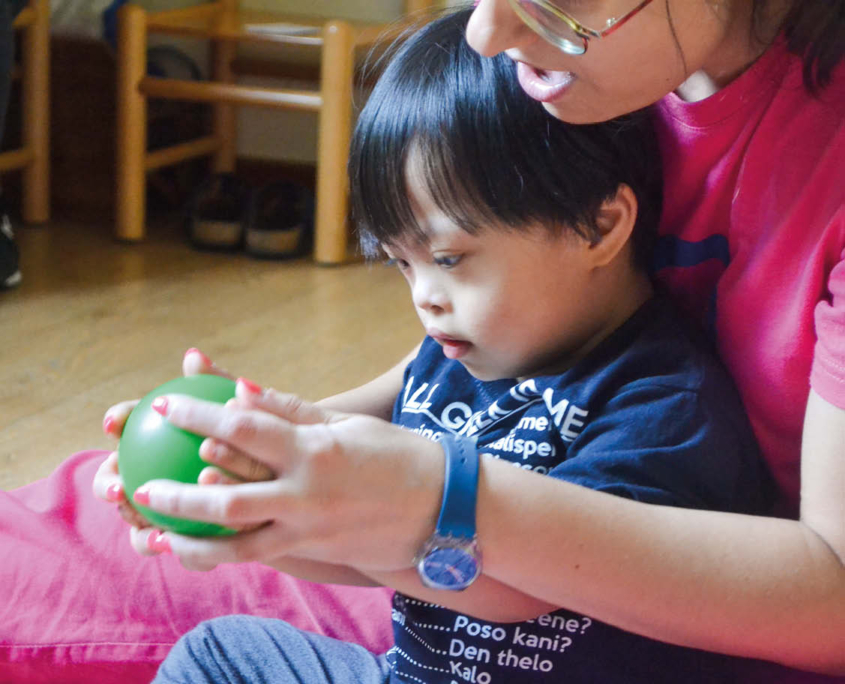
A child with a neuropsychomotor therapist during the activity.

Who helps you

Speech therapist

Description

Since 2012, we have been offering our members the ‘Io Lallo’ workshop, based on the Zora Drézancic method. ‘Io Lallo’ is an early intervention programme for children with speech and language development difficulties, designed to stimulate each child’s early communication and language skills from the very first months of life.

Goals

The main aim of the workshop is to stimulate the processes underlying language through sounds produced using a sung, modulated and articulated voice.

How we work

The ‘Io Lallo’ programme features phonetic games combined with movements and phonetic sequences using specific objects, designed to encourage enjoyment of interaction, joint attention, imitation and communicative exchange between parent and child.

To facilitate greater generalisation, the family participates in person alongside the child, so that they can replicate the activity practised during therapy at home.

Speech and Language Therapy – from birth to adulthood

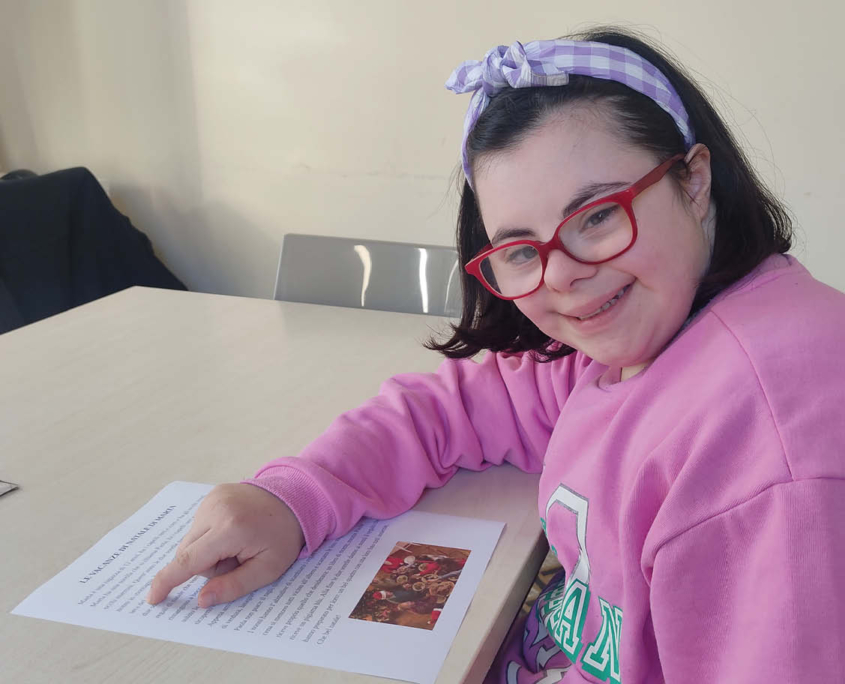
A little girl dressed in pink smiles as she holds her place in a book she is reading during her speech therapy session.

Who helps you

Speech therapist

Description

Communication, interpersonal and linguistic skills – both verbal and non-verbal – represent a fundamental milestone in a person’s development.

For this reason, it is necessary to intervene early and on an ongoing basis from birth.

Goals

Trisomia 21 Aps is committed to providing speech and language therapy services, supporting communication and language in all their various aspects and comprehensively strengthening the skills related to academic learning, independence and social interaction, so that everyone can fulfil their potential to the fullest.

How we work

Speech and language therapy care begins with an initial phase of observation and assessment and, following the treatment plan drawn up by the referring neuropsychiatrist, involves the development of an intervention plan with objectives agreed upon with the family and the local community.

The areas addressed cover various aspects, which are interlinked at certain stages of life:

  • Promotion of skills that support language development;
  • Communication and interpersonal skills;
  • Receptive and expressive language (phonetic and phonological, lexical, morphosyntactic, narrative and pragmatic aspects, as well as the use of AAC on paper and electronic devices);
  • Prerequisites for academic learning;
  • Reading and writing skills;
  • Facial, oral and swallowing functions

During therapy sessions, depending on specific needs and the personalised nature of the intervention, highly specialised methods or tools may be used where necessary to improve communicative, linguistic and oral functions.

These include Augmentative and Alternative Communication (AAC), the PROMPT© approach, Oral Motor Therapy, the Zora Drézancic method, and interventions relating to feeding and chewing functions.

Regular reassessments are carried out to monitor progress and the development process.

Where possible, the therapeutic programme involves collaboration with the school, fostering dialogue between professionals, the sharing of objectives and the adoption of common strategies. This integrated approach helps to create a more inclusive learning environment and provides synergistic support for the child’s development.

Cognitive Enhancement

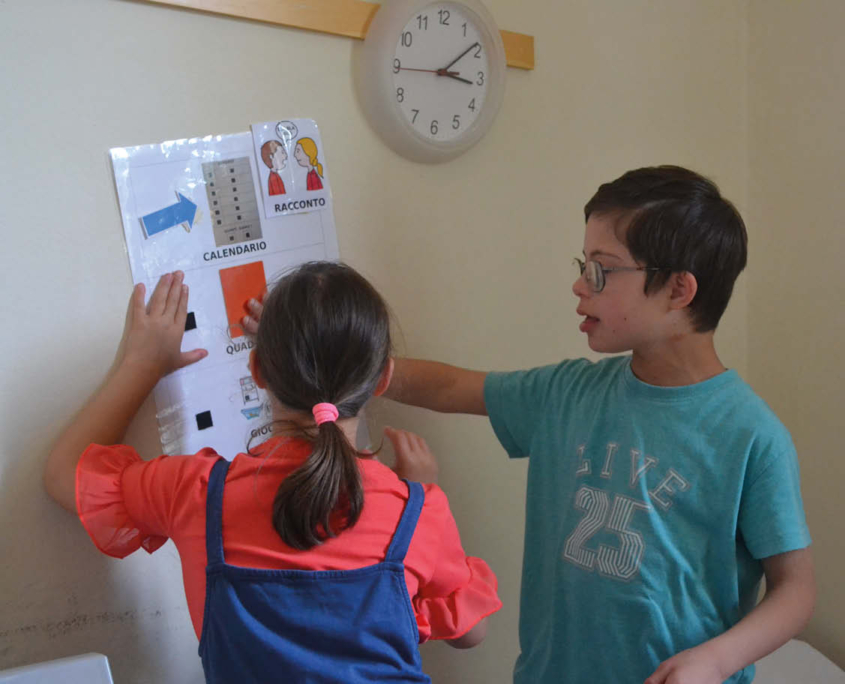
A girl and a boy are completing an exercise during the Cognitive Enhancement session.

Who helps you

Psychologist

Pedagogue

Professional educator

Educator

TNPEE

Description

“All human beings are capable of change, and everyone can achieve this in accordance with their own potential through guided learning experiences.” (Feuerstein, 1979)

The Association, in collaboration with Prof. Renzo Vianello of the University of Padua (who oversaw the training and supervision of the team), has in recent years developed an intervention programme aimed at children, pre-teens and teenagers with a range of intellectual profiles, using the MS 4-8 model, that is, through the use of Developmental Materials designed for an intellectual age range of between 4 and 8 years.

Since 2010, building on the assessment and intervention areas of the MS 4–8 model, Trisomia 21 aps has been working on logical operations, spatial-temporal concepts, correspondences and functions through stimuli linked to everyday situations, with a view to enhancing cognitive abilities in line with adaptive skills (Vianello R., 2000).

Goals

The aim of the cognitive enhancement project is to stimulate and support flexible thinking, in order to provide the individual with the tools needed to resolve ‘problematic situations’ that might limit their independence.

How we work

This is a programme that can be delivered either individually or in a group, whilst maintaining a 1:2 ratio with the practitioner.

The practitioners involved vary depending on the specific objectives of the participants.

Cognitive Speech and Language Therapy for Adults

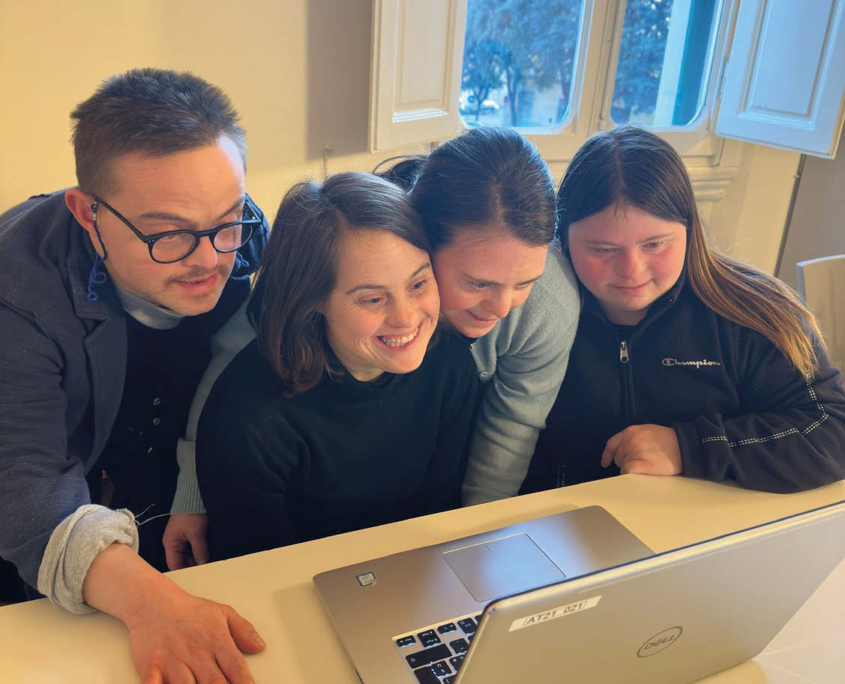
A group of young people – one man and three women – reading an article on a computer. The photo was taken during the session: Cognitive Speech and Language Therapy for Adults.

Who helps you

Speech therapist

Educator

Description

As the end of secondary school approaches and in the first few years following this transition, many of the transferable skills relating to learning and interpersonal relationships are at risk of being lost or not adequately developed.

At the same time, at this stage in young people’s lives, opportunities for interaction and structured socialising with a peer group diminish.

With this in mind, the Association has for many years been offering integrated programmes for young adults, run by speech and language therapists and educators, with the support of psychologists.

Goals

The aim of the activity is to help maintain and/or enhance both specific and transferable skills in the areas of communication and interpersonal relations, language and learning, through an adaptive and experiential approach.

Another key aim of the activity is to provide young people with a shared workspace, where they take responsibility for completing tasks through collaboration and a commitment to their own role and to the whole group.

How we work

The activity takes place in groups, usually in the late afternoon, to encourage participation from young adults, whether they are in work or not.

The programme centres on the production of a ‘newspaper’, which covers current affairs tailored to the age, tastes and interests of the young people.

The work focuses on:

  • reading and writing skills;
  • oral and written comprehension and expression;
  • researching information in print or online;
  • planning and organisation skills.

Neurological and Psychomotor Therapy in Childhood and Adolescence

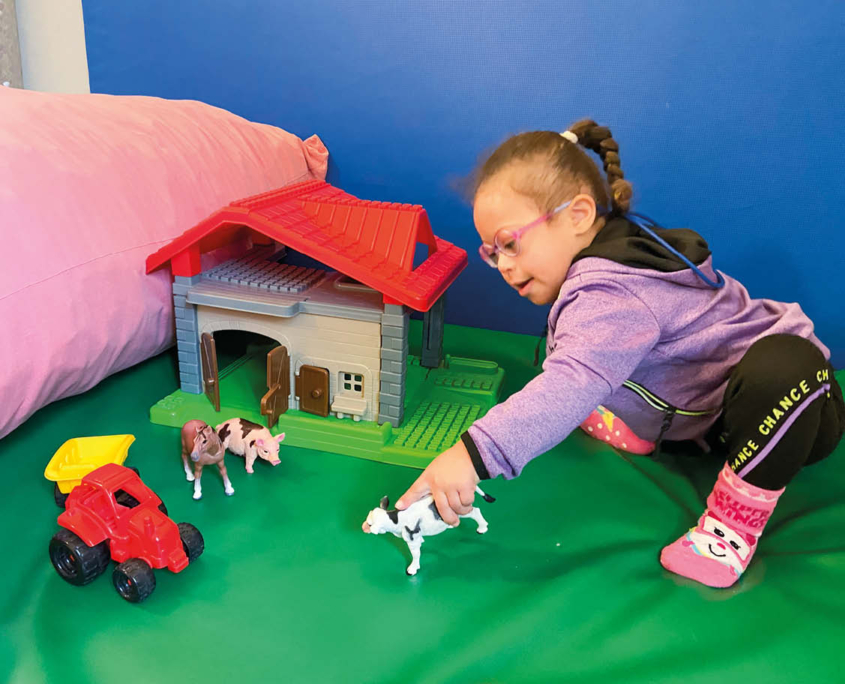
A little girl playing with a toy farm during a neuropsychomotor therapy session.

Who helps you

TNPEE

Description

Neuropsychomotor therapy is an intervention that provides assistance, stimulation and developmental support in the motor, emotional-affective, cognitive and relational spheres, whilst always upholding the child’s individuality and treating them with respect, through a multidisciplinary approach and teamwork.

Goals

The aim is to provide an approach that takes a holistic view of the child and promotes balanced and harmonious development to support them as they grow.

How we work

We offer individual or small-group programmes, with specific objectives and intervention strategies tailored to the child’s age.

Support for school education

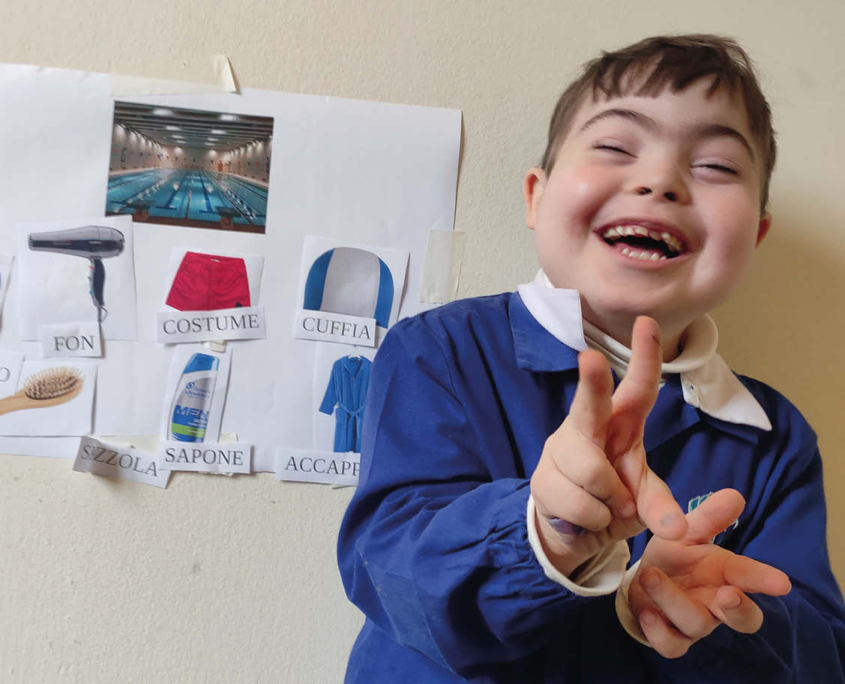
A smiling child, wearing a school pinafore, strikes a pose after completing an exercise.

Who helps you

Psychologist

Pedagogue

Professional educator

Educator

TNPEE

Speech therapist

Description

The Association has been working for years to promote the inclusion of people with intellectual disabilities in the school environment, in accordance with Law 104 of 1992 and Article 1 of Ministerial Decree 66 (Legislative Decree 66/17).

For this reason, the Association believes in the fundamental principle of inclusive education as the only real means of enabling children and young people to develop their abilities, knowledge and skills in terms of learning and relating to others (Ianes D., Cramerotti S., 2015 and Ianes D., Canevaro A., 2015).

Goals

The aim is to create a school that can meet the needs of each individual, encouraging them to be part of the school environment and class life.

How we work

Professionals work alongside teaching staff, support staff and educational support staff to develop personalised/simplified materials and to jointly identify effective relational strategies through participation in the GLO and the organisation of specific technical meetings.

At the time of moving up a year group, families are offered guidance sessions on choosing schools in the local area.

From the third year of upper secondary school onwards, the PCTO experience is monitored. The aim is to stimulate and support the pupil’s professional development through the analysis and exploration of key aspects relating to the world of work (understanding and explaining how to carry out one’s duties and addressing the possible consequences of problematic behaviour).

Emotional Support

Who helps you

Psychologist

Description

Psychological and emotional support is provided to children, young people and adults, with a personalised approach in terms of timing and methods, tailored to each individual’s needs.

The aims are to strengthen self-esteem, improve understanding of one’s inner and outer world, and enhance interpersonal skills, drawing on personal experiences.

Goals

The possible objectives focus on the following areas:

  • self-awareness (of one’s own characteristics, strengths and weaknesses)
  • recognising and accepting one’s disability
  • enhancing the capacity for self-regulation and tolerance of frustration
  • providing strategies for the effective social expression of emotions and feelings
  • strengthening self-esteem and a sense of self-efficacy
  • promoting greater decision-making ability and self-determination.

These are complemented by support aimed at increasing organisational autonomy and the internalisation of the rules governing different areas of life, which serves as a tool for managing and reducing anxiety.

How we work

We offer individual or group programmes, with specific objectives and intervention strategies tailored to the child’s age.